
Polycystic Ovary Syndrome (PCOS) is one of the most common hormonal disorders affecting women of reproductive age. It is estimated that 1 in 10 women worldwide has PCOS, yet many struggle to find the right approach to manage it. PCOS is not just about irregular periods or difficulty losing weight—it affects metabolism, hormones, and overall health. The good news? The right diet and lifestyle changes can help manage symptoms effectively.
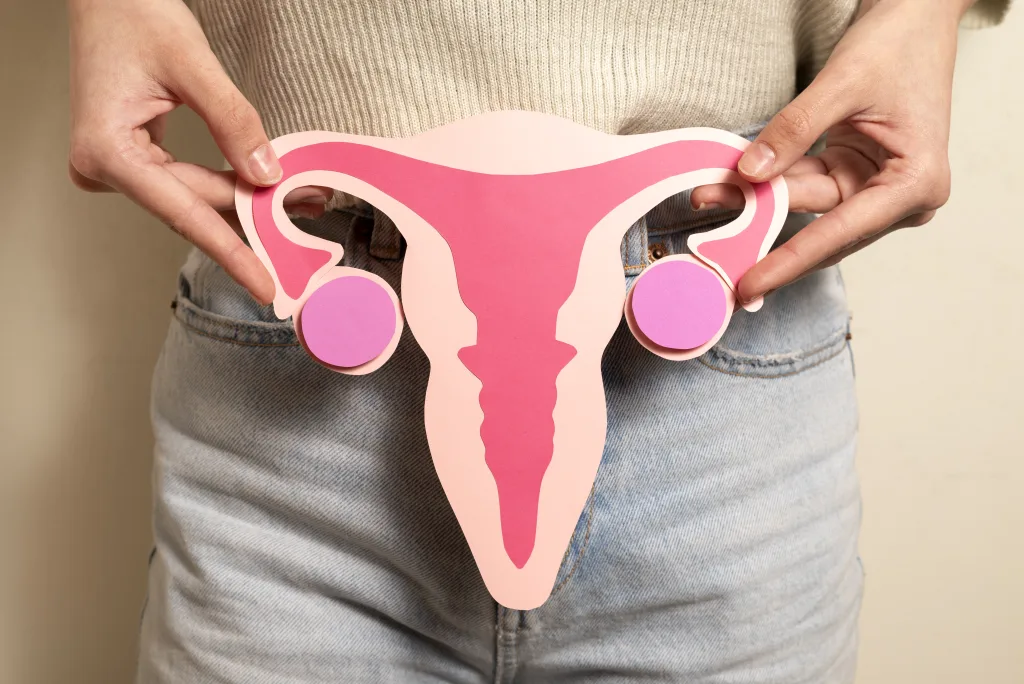
What is PCOS?
PCOS is a metabolic and hormonal disorder that affects the way a woman’s body processes insulin and produces reproductive hormones. It often leads to an imbalance of androgens (male hormones present in small amounts in women), which can result in symptoms like:
- Irregular or missed periods
- Excess facial and body hair (hirsutism)
- Acne and oily skin
- Unexplained weight gain
- Hair thinning or hair loss
- Fatigue and mood swings
- Difficulty conceiving
One of the primary causes of PCOS is insulin resistance, where the body does not use insulin effectively, leading to higher blood sugar levels and an increased risk of type 2 diabetes.
How Nutrition Affects PCOS
A well-planned diet can help regulate blood sugar, reduce inflammation, and balance hormone levels. Here’s how:
1. Balance Blood Sugar with Low-Glycemic Foods
Since many women with PCOS have insulin resistance, managing blood sugar levels is key. Choose foods that prevent sudden spikes in blood sugar:
- Whole grains: Oats, quinoa, brown rice, and millet
- Fiber-rich fruits and vegetables: Berries, apples, spinach, and broccoli
- Legumes: Chickpeas, lentils, and beans
- Nuts and seeds: Almonds, walnuts, flaxseeds, and chia seeds
2. Increase Protein Intake for Satiety and Muscle Health
Protein helps stabilize blood sugar and supports muscle growth. Good sources include:
- Paneer, tofu, and Greek yogurt
- Lentils and pulses
- Nuts, seeds, and eggs
3. Consume Healthy Fats to Support Hormones
Hormones are made from fats, so including good fats in your diet is essential:
- Avocados and olives
- Nuts (almonds, walnuts) and seeds (pumpkin, sunflower)
- Cold-pressed oils like olive oil and coconut oil
4. Reduce Processed Foods and Sugar
Refined sugar and processed foods contribute to insulin resistance and inflammation. Minimize:
- Sugary drinks and packaged snacks
- White bread, pasta, and refined grains
- Deep-fried and fast food
5. Support Gut Health for Better Hormone Balance
A healthy gut plays a crucial role in hormone regulation and metabolism. Include:
- Fermented foods like homemade curd, kefir, and sauerkraut
- High-fiber foods to feed good gut bacteria
6. Stay Hydrated and Manage Stress
Dehydration and chronic stress worsen PCOS symptoms. Prioritize:
- Drinking at least 2-3 liters of water daily
- Herbal teas like spearmint tea (which can reduce excess androgens)
- Relaxation techniques like yoga, meditation, and deep breathing
Lifestyle Changes to Improve PCOS Symptoms
While diet is a major factor, combining it with the right lifestyle changes can yield even better results:
Exercise Regularly
- Strength training and resistance workouts improve insulin sensitivity.
- Yoga and pilates help reduce stress hormones.
- Walking for 30 minutes daily can aid weight management.

Get Enough Sleep
Poor sleep can disrupt hormone levels and worsen PCOS symptoms. Aim for 7-9 hours of quality sleep each night.

Limit Exposure to Endocrine Disruptors
Toxins from plastics, pesticides, and chemical-laden beauty products can interfere with hormone function. Opt for organic foods and natural skincare products whenever possible.

The Scientific Connection: Why This Works
Research suggests that lowering insulin resistance is one of the most effective ways to manage PCOS. A diet rich in fiber, protein, and healthy fats can help regulate insulin levels. Additionally, reducing inflammation through whole foods and gut-friendly choices supports hormonal balance. Studies show that even a 5-10% weight loss can significantly improve symptoms and fertility in women with PCOS.
Take Control of Your PCOS Journey
PCOS is a complex condition, but with the right nutrition and lifestyle changes, it can be managed effectively. Instead of restrictive dieting, focus on long-term, sustainable habits that nourish your body and support hormonal health. If you’re struggling with PCOS, personalized guidance from a nutrition expert can make all the difference.
Looking for a personalized plan to manage PCOS naturally? Visit Nouriva and take the first step towards better health!

Thank you for your sharing. I am worried that I lack creative ideas. It is your article that makes me full of hope. Thank you. But, I have a question, can you help me?
Your point of view caught my eye and was very interesting. Thanks.
Thanks for sharing. I read many of your blog posts, cool, your blog is very good.
I think this is one of the most important info for me. And i am glad reading your article. But should remark on few general things, The web site style is perfect, the articles is really excellent : D. Good job, cheers