
When you hear the word “inflammation,” what comes to mind? Swelling after a sprained ankle? A fever when you’re unwell? While these are visible signs of inflammation, there’s more to this process than meets the eye. Inflammation can quietly brew inside your body, influencing your long-term health without you even realizing it.
So, what exactly is inflammation? Why does it matter? And how can you manage it? Let’s dive into the essentials of this silent yet significant body process.
What Is Inflammation?
Inflammation is your body’s natural defense mechanism. Think of it as a protective response—a biological emergency call—your body sends to fight infections, heal injuries, or deal with harmful invaders like bacteria and viruses.
There are two types of inflammation:
- Acute Inflammation: This is short-term and localized. For example, when you cut your finger, the redness and swelling you notice are acute inflammation at work. It’s a sign that your immune system is healing the injury.
- Chronic Inflammation: Unlike acute inflammation, this type lingers silently for weeks, months, or even years. Chronic inflammation often occurs when the body is constantly in “defense mode,” even when there’s no immediate threat. This prolonged state can damage tissues and lead to health problems.
The Silent Threat of Chronic Inflammation
Chronic inflammation may not always show obvious symptoms, but its long-term effects are profound. Over time, it can contribute to several health issues, including:
- Heart Disease
- Diabetes
- Arthritis
- Digestive Disorders
- Obesity
- Autoimmune Conditions
Imagine your immune system as a fire brigade. Acute inflammation is like a fire that gets extinguished quickly. But in chronic inflammation, it’s as if the fire brigade is constantly on duty, wearing itself out and unintentionally causing collateral damage.
What Triggers Chronic Inflammation?
Several factors can fuel chronic inflammation, such as:
- Poor Diet: Processed foods, sugary treats, and trans fats can trigger inflammation.
- Stress: Persistent stress keeps your body in a heightened state of alert.
- Lack of Sleep: Your body repairs itself during rest; without it, inflammation can spike.
- Sedentary Lifestyle: Minimal movement can increase inflammation markers.
- Environmental Toxins: Exposure to pollution, smoke, and chemicals can irritate your system.
Signs Your Body Might Be Inflamed
While chronic inflammation is often silent, here are some subtle signs to watch for:
- Persistent fatigue
- Digestive discomfort (bloating, gas)
- Joint or muscle aches
- Skin issues (acne, eczema)
- Brain fog or difficulty concentrating
If these symptoms sound familiar, it might be time to take a closer look at your lifestyle.
How to Tame Inflammation
The good news? Chronic inflammation can often be managed—or even reversed—with simple lifestyle tweaks. Here’s how:
- Follow an Anti-Inflammatory Diet
- Eat colorful fruits and vegetables (think berries, spinach, and bell peppers).
- Add healthy fats like avocados, nuts, and seeds.
- Include anti-inflammatory spices like turmeric and ginger.
- Swap sugary drinks for green tea or water infused with lemon.
- Move More
Exercise not only strengthens your muscles but also lowers inflammation. A brisk 30-minute walk daily can work wonders. - Prioritize Sleep
Aim for 7–8 hours of quality sleep each night to give your body time to heal. - Manage Stress
Meditation, yoga, or even a few minutes of deep breathing can help lower stress levels. - Stay Hydrated
Water helps flush toxins and keeps your body’s processes running smoothly.
Food Spotlight: Natural Inflammation Fighters
Include these powerful ingredients in your diet to combat inflammation naturally:

Turmeric: Its active compound, curcumin, is a potent anti-inflammatory.

Fatty Fish: Salmon and mackerel are rich in omega-3 fatty acids.

Green Leafy Vegetables: Spinach, kale, and broccoli pack antioxidants.
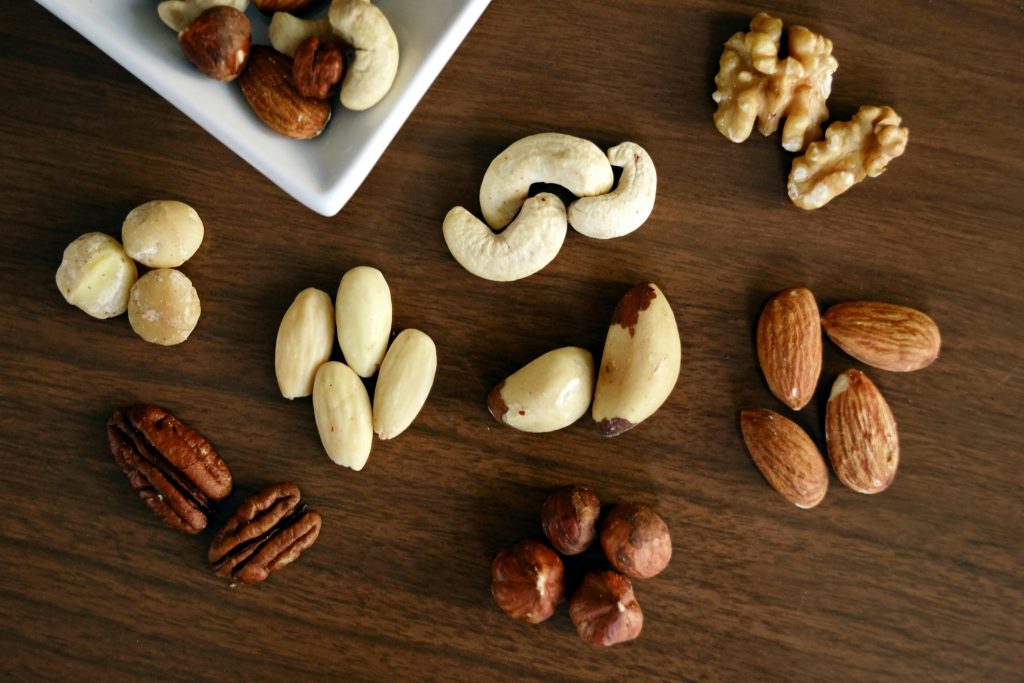
Nuts: Almonds and walnuts are great sources of healthy fats.

Berries: Blueberries and strawberries are antioxidant powerhouses.
Final Thoughts
Inflammation, when controlled, is essential for your body’s defense. But when it becomes chronic, it can turn into a silent threat that affects your health. The key to tackling it lies in understanding its causes and taking proactive steps toward a healthier lifestyle.
Your body is always talking to you—are you listening? Small, consistent changes today can keep inflammation in check and pave the way for a healthier tomorrow.
What are your thoughts on inflammation? Let’s start the conversation! Share your experiences or tips in the comments below.
Your point of view caught my eye and was very interesting. Thanks. I have a question for you.