
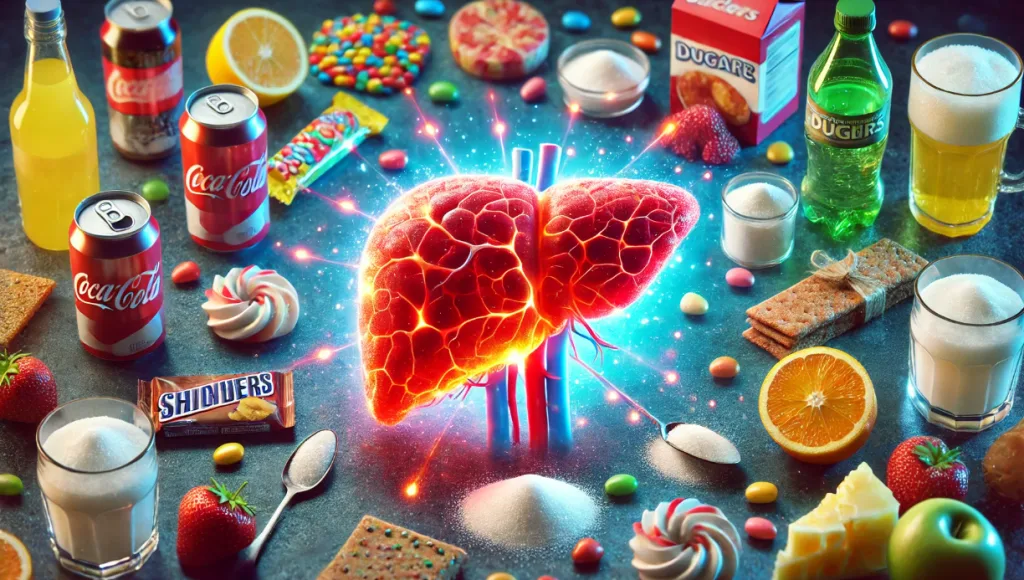
Your liver is one of the most vital organs in your body, responsible for detoxification, metabolism, and energy regulation. But did you know that excess sugar, particularly fructose, could be harming it? Unlike glucose, which your body uses for energy, fructose is metabolized almost entirely by the liver. In small amounts, this isn’t a problem, but when consumed excessively—through sodas, processed foods, and even fruit juices—it can overload the liver, leading to fat accumulation, inflammation, and long-term damage.
In this blog, we’ll explore the science behind how sugar impacts liver health, why fructose is especially harmful, and what you can do to protect your liver.
How Sugar Affects the Liver: The Science Explained
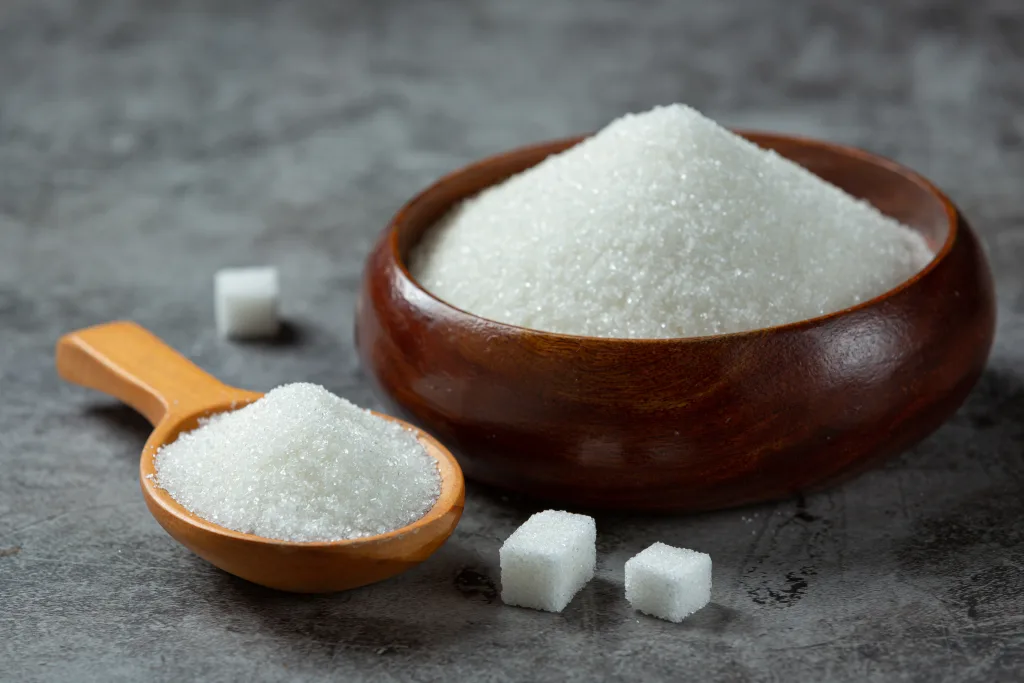
1. Fructose is Processed Differently than Other Sugars
Unlike glucose, which is absorbed by various cells in the body, fructose is processed almost entirely in the liver. When consumed in excess, it gets converted into fat instead of being used for immediate energy. This process is called de novo lipogenesis, which translates to “new fat production.” Over time, this leads to Non-Alcoholic Fatty Liver Disease (NAFLD)—a condition where fat builds up in liver cells, impairing its function.
2. Fructose Triggers Insulin Resistance
Insulin is a hormone that helps regulate blood sugar. Excess fructose can reduce the liver’s sensitivity to insulin, leading to insulin resistance—a precursor to diabetes, obesity, and metabolic syndrome. The liver responds by producing more glucose, increasing blood sugar levels and worsening insulin resistance, creating a dangerous cycle.
3. Fructose Overload Leads to Inflammation and Liver Damage
Excess fructose metabolism generates byproducts such as uric acid and free radicals, which cause oxidative stress and inflammation in the liver. Chronic inflammation can lead to fibrosis (scarring of the liver) and, over time, progress to cirrhosis—a severe, irreversible condition that impairs liver function and increases the risk of liver failure and cancer.
4. Fructose Disrupts Gut Health, Worsening Liver Function
The liver and gut are closely connected through the gut-liver axis. Excess fructose consumption can alter gut bacteria, leading to intestinal permeability (leaky gut). This allows harmful toxins and bacteria to enter the bloodstream, triggering an immune response and worsening liver inflammation.
5. High Fructose Intake Increases Liver Cancer Risk
Recent studies suggest that a high-fructose diet may contribute to liver cancer. Excess fat accumulation, inflammation, and insulin resistance create a pro-cancerous environment, increasing the likelihood of hepatocellular carcinoma (HCC), the most common type of liver cancer.
Hidden Sources of Fructose in Your Diet
Most people associate fructose with fruits, but the real concern is added fructose found in processed foods. Here are some common hidden sources:
Sugary Beverages – Sodas, fruit juices, energy drinks, and flavored waters are loaded with high-fructose corn syrup (HFCS).
Processed Snacks & Cereals – Granola bars, breakfast cereals, and packaged desserts contain added sugars.
Low-Fat & Diet Foods – Many “healthy” low-fat products replace fat with sugar to improve taste.
Condiments & Sauces – Ketchup, salad dressings, barbecue sauce, and even some soy sauces contain hidden fructose.
How to Protect Your Liver from Fructose Overload
The good news? Liver damage from excess fructose is reversible if caught early. Here’s what you can do:
Limit Sugary Drinks – Replace sodas and fruit juices with water, herbal teas, or lemon water.
Eat Whole Fruits, Not Juices – Whole fruits contain fiber, which slows fructose absorption and reduces liver stress.
Increase Fiber Intake – High-fiber foods like vegetables, legumes, and whole grains improve digestion and liver health.
Choose Natural Sweeteners Wisely – Opt for stevia, monk fruit, or small amounts of raw honey instead of refined sugar.
Exercise Regularly – Physical activity helps burn excess fat in the liver and improves insulin sensitivity.
Follow a Balanced Diet – A Mediterranean-style diet rich in healthy fats, lean proteins, and antioxidants supports liver function and reduces inflammation.
Fructose and Your Liver: The Final Verdict
Fructose is not inherently bad—our bodies can handle small amounts, especially from whole fruits. The problem arises when we consume too much added fructose, overwhelming the liver and leading to fat accumulation, insulin resistance, and inflammation.
By making smarter dietary choices, cutting down on processed sugars, and maintaining an active lifestyle, you can protect your liver and overall metabolic health. Remember, a healthy liver is key to a longer, healthier life!
For more expert-backed insights on nutrition, metabolic wellness, and longevity, visit Nouriva .
Thank you for your sharing. I am worried that I lack creative ideas. It is your article that makes me full of hope. Thank you. But, I have a question, can you help me?
Thank you for your sharing. I am worried that I lack creative ideas. It is your article that makes me full of hope. Thank you. But, I have a question, can you help me?
Thank you for your sharing. I am worried that I lack creative ideas. It is your article that makes me full of hope. Thank you. But, I have a question, can you help me?